
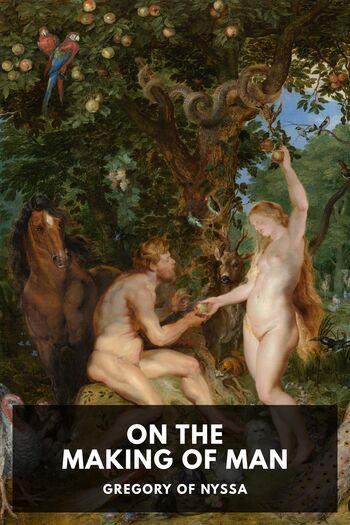
Читати книгу On the Making of Man
On the Making of Man
Автор:
Gregory of Nyssa
Жанр:
Додано:
2026-10-05
Мова книги:
English
Кількість сторінок:
42

0

On the Making of Man is an early treatise on theological anthropology, the area of Christian theology that inquires into human nature with respect to God. In the treatise, the 4th century bishop and theologian Gregory of Nyssa interprets the creation narrative found in the first three chapters of the Book of Genesis. In particular, he expounds on the verse Genesis 1:27, the textual basis of the Christian doctrine of imago Dei (i.e. that humanity is made in God’s image). He argues that, being made in the likeness of divine sovereignty, human beings possess..." data-title="Книга On the Making of Man">

Description On the Making of Man is an early treatise on theological anthropology, the area of Christian theology that inquires into human nature with respect to God. In the treatise, the 4th century bishop and theologian Gregory of Nyssa interprets the creation narrative found in the first three chapters of the Book of Genesis. In particular, he expounds on the verse Genesis 1:27, the textual basis of the Christian doctrine of imago Dei (i.e. that humanity is made in God’s image). He argues that, being made in the likeness of divine sovereignty, human beings possess...

Аннотация к книге 

On the Making of Man :

Description

On the Making of Man is an early treatise on theological anthropology, the area of Christian theology that inquires into human nature with respect to God. In the treatise, the 4th century bishop and theologian Gregory of Nyssa interprets the creation narrative found in the first three chapters of the Book of Genesis. In particular, he expounds on the verse Genesis 1:27, the textual basis of the Christian doctrine of imago Dei (i.e. that humanity is made in God’s image). He argues that, being made in the likeness of divine sovereignty, human beings possess inherent dignity. This resemblance to God lies in humanity’s capability to possess godlike virtues, such as purity and freedom from passion. In order to refute opposing Christian and non-Christian views on human nature, Gregory ponders the soul’s relationship with the body, arguing that neither the body nor the soul preceded the other, but that both were co-created. He also argues for the possibility of the universal restoration of creation to perfection (a controversial doctrine known as apokatastasis) on the basis of the finitude of evil.

Добавить отзыв
Жушман Дмитрий